
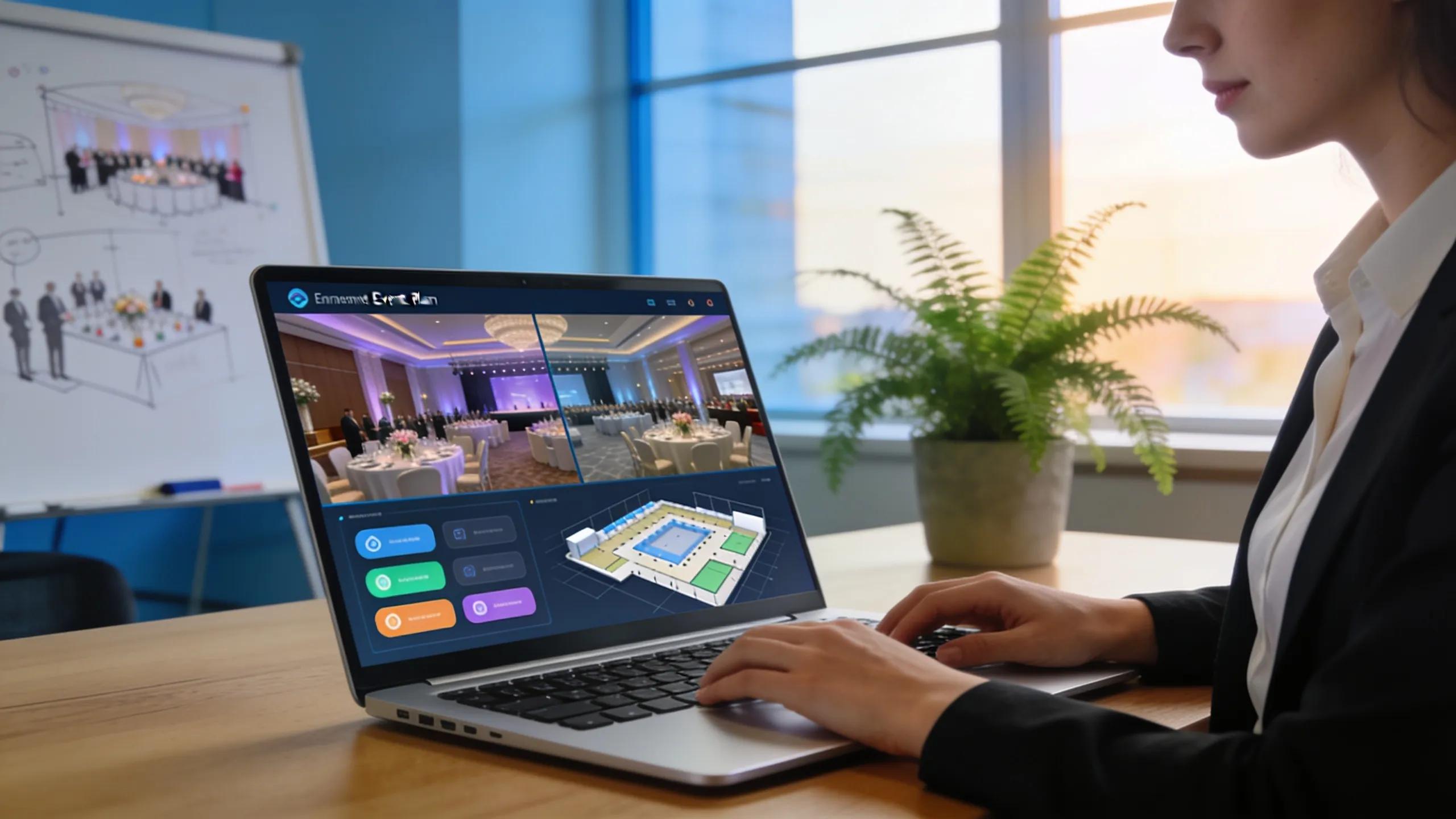
Virtual Tour Technology for Event Venues: Interactive 3D Walkthroughs and Immersive Experiences for Event Planning
By Pierre Ishak, Halo 360 Photobooth
Virtual tour technology is revolutionizing how event venues showcase their spaces to potential clients. This innovative approach allows event planners to experience venues remotely, ultimately enhancing decision-making processes. The immersive nature of 360-degree imaging and interactive maps enables users to navigate venues as if they were physically present. This technology aims to resolve common challenges faced by event organisers who need to illustrate venue features effectively and engage clients without traditional site visits. In this article, we will explore virtual tour technology’s functionality, the various types of tours available, its benefits for marketing, implementation strategies, real-world case studies, and address frequently asked questions.
What Is Virtual Tour Technology for Event Venues and How Does It Work?
Virtual tour technology integrates high-resolution imaging and interactive 3D walkthroughs to provide detailed visual representations of event venues. By utilizing 360-degree imaging techniques, venues can craft immersive experiences that allow prospective clients to navigate the space at their own pace. This technology enhances user engagement and streamlines remote event planning by enabling potential clients to familiarize themselves with the space from anywhere in the world.
Defining immersive event experiences with 360-degree imaging
Immersive experiences hinge on the ability to engage users through detailed visuals and interactivity. The essence of a successful virtual tour lies in its capacity to represent real-world environments accurately. Through 360-degree imaging, venues can offer a comprehensive view of their spaces, allowing users to explore specific areas in detail. This medium also provides the opportunity to showcase unique features that might attract clients, ultimately enhancing the chances of booking.
How 3D venue walkthroughs enable remote event planning
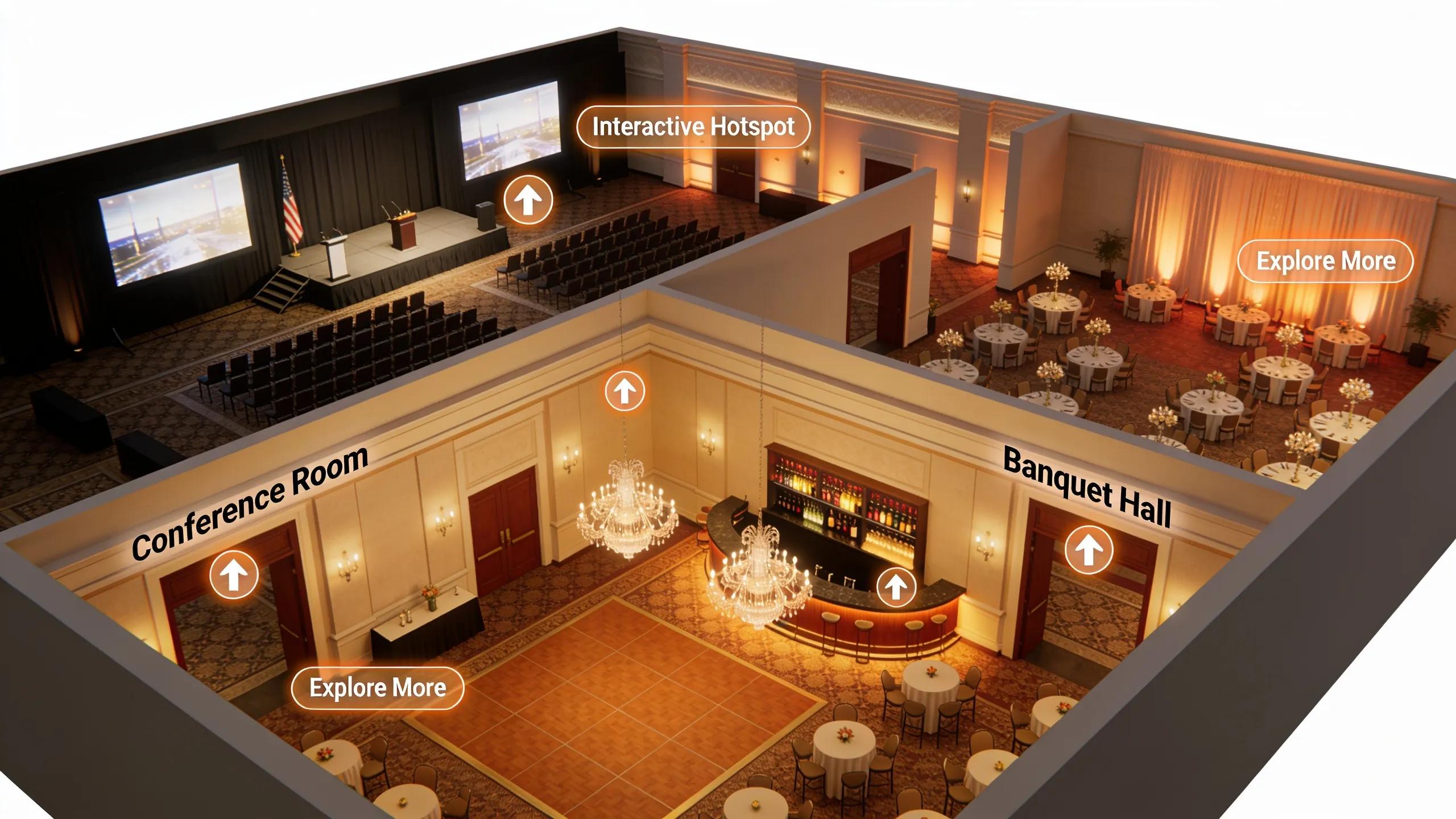
3D walkthroughs serve as an essential tool for event planners seeking to visualize a venue prior to in-person visits. By providing realistic representations of spaces, these walkthroughs enable planners to assess the layout, capacity, and aesthetic appeal needed for their events. This technology facilitates more informed decisions as planners can identify potential setup challenges and opportunities for event enhancements, significantly reducing time spent on physical site visits.
Which Types of Virtual Tours Enhance Event Venue Showcases?
Various virtual tour formats cater to different client needs and preferences. Understanding the distinct characteristics of these types enhances the presentation of any venue.
Comparing 360-degree, virtual reality, and augmented reality tours
Virtual tours come in numerous formats, including 360-degree tours, augmented reality (AR) tours, and virtual reality (VR) experiences.
- 360-Degree Tours: Typically viewed through standard web browsers or mobile devices, these tours provide a panoramic view that allows users to explore spaces interactively.
- Virtual Reality Tours: These require VR headsets and offer a deeply immersive experience through detailed environments that react to user movements, ideal for showcasing high-end venues.
- Augmented Reality Tours: By overlaying digital information onto the physical world, AR tours enhance traditional venue displays with added context, such as seating arrangements or visualizing decorations.
The MICE industry, in particular, is seeing significant transformations through such advancements in visual effects and 360-degree video technology, indicating a promising future for immersive event experiences.
360-Degree Video and VFX for Immersive MICE Experiences
ABSTRACT: AbstractAbstractRapid advances in imaging technology, particularly in the areas of visual effects (VFX) and 360-degree video technology, have the potential to transform the meetings, incentives, conventions and exhibitions (MICE) industry. Technological innovations such as Virtual Reality (VR), Augmented Reality (AR) and Extended Reality (XR) play a crucial role in the development of immersive environments designed to increase attendee engagement and satisfaction.This study examines the implementation of VFX and 360-degree video technologies through interactive digital posters as part of experience trails in the Lüneburg Heath, a well-established leisure region in northern Germany. This paper presents the technological framework and discusses usability in the context of this case study.The use of 360-degree panoramic video and VFX for interactive posters in specially equipped conference rooms, such as the Dortmund conference room at Hotel Park Soltau (Germany), illustrates the potent Interactive digital posters motivated by VFX and 360-degree video technology:
Enhancing MICE experiences in a German Leisure Region, R Creutzburg, 2025
Understanding these formats helps event organisers choose the right technology to captivate their audience.
How interactive venue maps improve user engagement
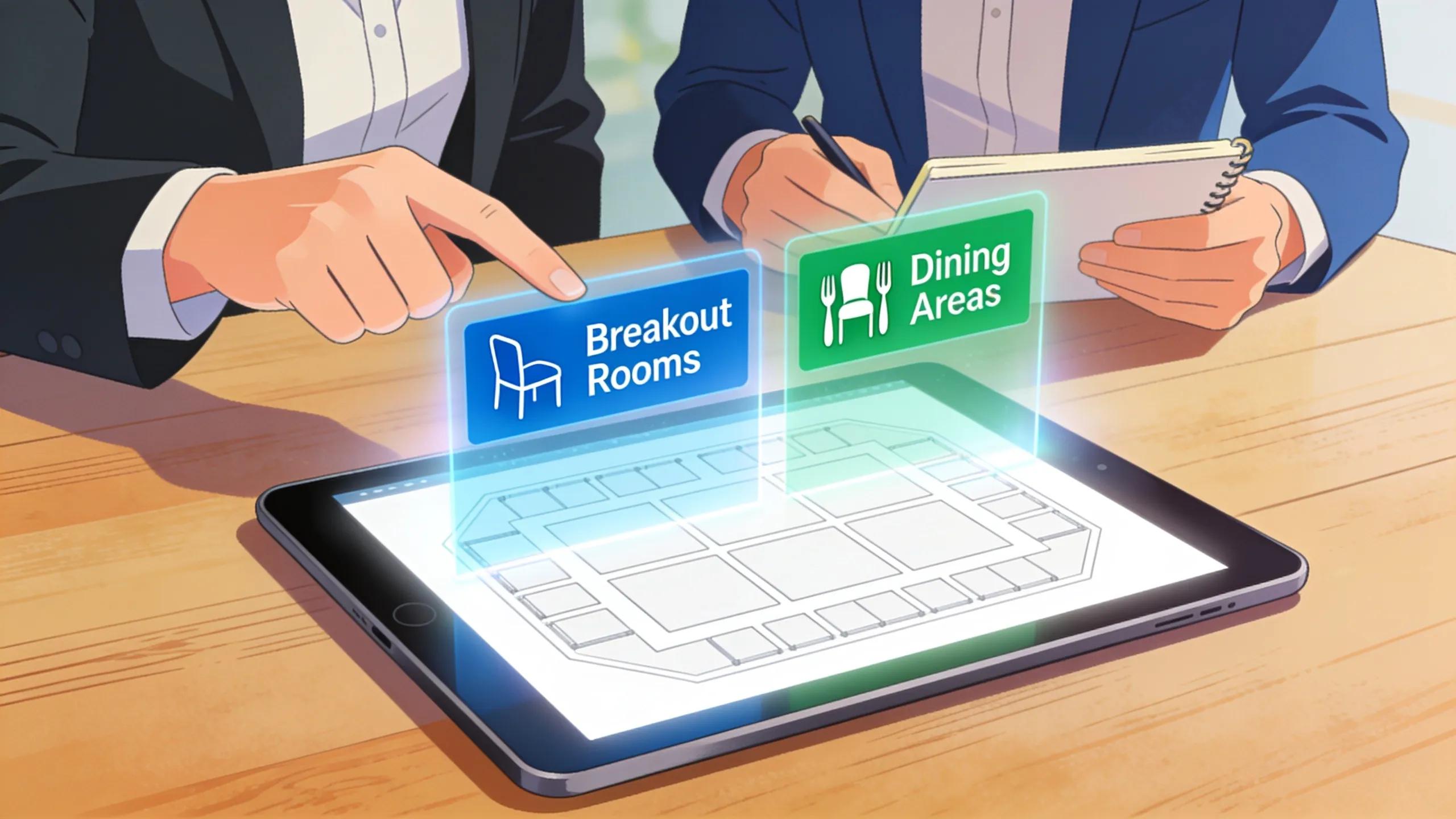
Interactive venue maps elevate the user experience by allowing clients to explore venues dynamically. These maps provide information on different sections, such as breakout rooms, dining areas, and restroom locations, enhancing the overall navigational experience. Clients can zoom in on specific areas to gain insights into spatial arrangements. This interactivity not only keeps clients engaged but also reduces the likelihood of confusion during their actual event.
What Are the Benefits of Using Virtual Tour Technology in Event Venue Marketing?
Implementing virtual tour technology offers significant marketing advantages, transforming how venues present themselves to potential clients.
Increasing booking confidence through digital venue showcases
Digital showcases empower clients by providing a realistic view of what they can expect at a venue. Clients report increased confidence in their booking decisions when they can visualize the setting accurately. This transparency builds trust and reduces uncertainty, significantly boosting booking rates for event venues adopting this technology.
Enhancing user experience with immersive event visualization
Immersive visuals create lasting impressions, enabling potential clients to envision their events within the space. A well-executed virtual tour enhances user experience by presenting features, spaces, and layouts uniquely and engagingly. Clients are more likely to remember venues that utilize such innovative approaches, leading to increased retention rates and a higher likelihood of recommendations.
For those seeking high-quality virtual tour technology for event venues, Halo 360 specializes in creating immersive 360-degree tours that showcase spaces digitally through high-resolution imaging and interactive platforms.
How Do Event Venues Implement Virtual Tour Technology Successfully?
Successful implementation of virtual tour technology involves a series of best practices to maximise effectiveness.
Best practices for 360-degree imaging and virtual tour creation
When creating a virtual tour, it’s crucial to use high-quality cameras and appropriate lighting to ensure that spaces are represented accurately and attractively. Venues should prioritise capturing key features and important areas during filming. Hiring professionals who specialize in 360-degree imaging can enhance the likelihood of producing stunning visual content that resonates with potential clients.
Optimising virtual tours with schema.org structured data markup
Incorporating schema markup into virtual tour pages is essential for improving search engine visibility. This structured data helps search engines better understand the content and context of venues, increasing their chances of appearing in relevant searches. Properly marked-up virtual tours not only enhance discoverability but also align with modern SEO practices, driving more traffic to venue websites.
What Are Real-World Case Studies Demonstrating Virtual Tour ROI for Event Venues?
Examining the return on investment (ROI) resulting from the use of virtual tour technology offers valuable insights.
Examples of increased venue bookings from immersive technology adoption
Many venues report substantial increases in bookings after implementing virtual tours. A recent case study revealed a notable increase in inquiries for a convention centre that launched a virtual tour, showcasing its amenities through dynamic visuals. This surge can directly be attributed to the enhanced engagement that virtual tours provide.
How hybrid events leverage virtual tours to reach broader audiences
Hybrid events, which combine in-person and virtual participation, significantly benefit from having robust virtual tour offerings. Venues can appeal to a wider audience base by allowing potential clients to experience the space digitally. This flexibility caters to diverse client needs while attracting both virtual and in-person attendees, resulting in increased event participation.
What Are Common FAQs and User Concerns About Virtual Tour Technology for Event Venues?
Potential users often have questions about the practicality and costs of virtual tour technology.
Is virtual tour technology cost effective for event planners?
Yes, virtual tour technology can be highly cost-effective for event planners. The expenses associated with physical venue visits can quickly add up, while virtual tours significantly reduce these costs. Moreover, the investment in creating a high-quality virtual tour often pays off with increased bookings and client trust, making it an economically sound choice.
Can virtual tours replace physical venue visits completely?
While virtual tours offer valuable insights and convenience, they should complement rather than replace physical visits. Certain elements of the venue experience, such as atmosphere, sound, and spatial feelings, are best evaluated in person. Virtual tours, however, significantly enhance preliminary evaluations and can guide which venues require visits, saving time and resources.

